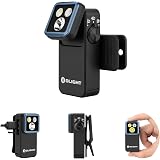
Do you dread the annual ritual of stringing up your festive lights, only to find half a strand has mysteriously gone dark? It’s a common holiday season frustration, turning anticipation into exasperation. While the video above offered a quick peek at an invaluable tool, the Light Keeper Pro, for tackling these pesky problems, understanding its full capabilities can transform your approach to holiday light repair.
The seemingly simple act of a few bulbs going out can often render an entire section or even a whole string useless. Historically, this meant hours spent wiggling individual bulbs, or worse, relegating a perfectly good string to the trash bin. However, for those committed to keeping their decorations shining bright, a specialized Christmas light repair tool like the Light Keeper Pro offers a streamlined and efficient solution.
The Perennial Problem of Dead Light Strands
Every year, homeowners and businesses alike face the challenge of non-working holiday lights. This issue often stems from a single faulty bulb in a series circuit, which breaks the entire circuit’s continuity. When one bulb’s filament burns out, or if it becomes loose, the path for electricity is interrupted, causing all subsequent lights in that section to go dark.
While wiggling bulbs can sometimes temporarily reconnect a loose filament, this method is far from reliable. Moreover, the sheer volume of bulbs on a typical strand makes identifying the exact culprit an incredibly time-consuming and often fruitless endeavor. This is where dedicated troubleshooting tools become indispensable, moving beyond guesswork to precise problem identification.
Unpacking the Light Keeper Pro: A Multi-Function Tool for Christmas Light Repair
The Light Keeper Pro is designed as a comprehensive troubleshooting device, addressing several common points of failure in incandescent mini light strands. It aims to reduce the time and effort required for holiday light repair, transforming a daunting task into a manageable one. This single device integrates multiple functions, making it a powerful asset in any decorator’s toolkit.
Imagine if you could quickly pinpoint the issue without having to individually test dozens of bulbs or discard an otherwise functional string. The Light Keeper Pro’s design makes this a reality, offering three primary methods of diagnosis and repair. These include a shunt repair mechanism, an audible voltage detector, and dedicated testers for individual bulbs and fuses.
Understanding the Shunt Repair Mechanism: The “Trigger” Fix
One of the most remarkable features of the Light Keeper Pro, as demonstrated in the video, is its shunt repair function. This mechanism is specifically engineered to address incandescent mini lights where a single burnt-out bulb breaks the series circuit. When a bulb’s filament burns out, it often leaves a microscopic opening that prevents current from flowing.
To utilize this, you remove a working bulb from the problematic section of the strand and insert it into the tool’s socket. By pulling the trigger, the Light Keeper Pro sends a pulse of electricity through the circuit, specifically designed to “shunt” or bypass the internal break within the dead bulb. This pulse effectively creates a conductive bridge across the broken filament, allowing current to flow again and illuminating the rest of the section.
The video mentions needing “up to 30 clicks,” illustrating that sometimes multiple pulses are required to successfully establish the shunt. This is a testament to the tool’s persistence in resolving what might seem like an intractable problem. Once the shunt is formed, the rest of your Christmas light strand should power on, even with the original faulty bulb remaining in place—though replacing it is always good practice for longevity.
Detecting the Culprit: The Audible Voltage Detector
Beyond fixing non-working bulbs, the Light Keeper Pro excels at diagnosing where the problem lies. Its audible voltage detector is a game-changer for efficiently tracing the path of electricity along your light strand. This non-contact feature allows you to quickly identify sections that are receiving power versus those that are not.
To use this function, you simply press the black button to activate the detector and then run the tool along the wire of your light strand. A distinct beep indicates the presence of voltage, confirming that electricity is flowing through that particular segment. Conversely, a lack of beeping signals a break in the circuit, pinpointing the exact location where troubleshooting should focus.
Imagine meticulously laying out a tangled strand of lights, trying to discern the exact point of failure. This audible feedback eliminates the need for visual inspection of every single bulb, which can be particularly challenging with mini lights. For larger setups or extensively coiled strands, this detector significantly reduces diagnostic time, making holiday light repair far less daunting.
Beyond the Strand: Individual Bulb and Fuse Testing
While fixing entire sections is crucial, sometimes the problem boils down to a single faulty component. The Light Keeper Pro includes dedicated testers for both individual bulbs and fuses, adding another layer of comprehensive Christmas light repair capability. These features ensure that no potential issue is overlooked, whether it’s a damaged bulb or a blown fuse.
The bulb tester is straightforward: simply insert an individual incandescent bulb into the designated slot on the top of the tool. If the bulb lights up, it’s functional; if not, you’ve found a dead bulb that needs replacement. This eliminates the guesswork often involved with tiny mini light bulbs, which can be difficult to visually inspect for filament integrity. Knowing whether a bulb works perfectly streamlines the repair process, ensuring only genuinely faulty components are swapped out.
Furthermore, the tool incorporates a fuse tester, which is a critical yet often overlooked aspect of light strand troubleshooting. Many light strands contain small glass fuses within the plug itself, designed to protect the circuit from surges. If a fuse blows, the entire strand will go dark. The Light Keeper Pro allows you to place a standard glass fuse between its contacts to quickly determine if it’s still functional. A working fuse will typically complete a circuit, indicating it’s good, whereas a blown fuse will show no continuity. This feature is particularly valuable, as a simple fuse replacement can often revive an entire strand, saving it from premature disposal.
Maximizing Your Holiday Light Investment: Repair vs. Replace
In today’s consumer landscape, the decision to repair or replace often leans towards the latter, especially for seemingly inexpensive items like holiday lights. However, from an economic and environmental perspective, embracing Christmas light repair makes significant sense. Discarding perfectly good strands due to a few faulty bulbs contributes to landfill waste and unnecessary expenditure.
Consider the cumulative cost of replacing several strands of lights year after year. While a new string might seem cheap initially, these costs add up over time. Moreover, the environmental impact of manufacturing new products and disposing of old ones is substantial. By utilizing tools like the Light Keeper Pro, you extend the lifespan of your existing decorations, minimizing waste and promoting sustainability.
This approach aligns with a more conscious consumerism, valuing durability and repairability. For expert decorators or those with extensive lighting displays, the investment in a versatile repair tool quickly pays for itself. It transitions holiday lighting from a disposable commodity to a long-term asset, ensuring your displays remain vibrant and functional for many seasons to come.
Practical Tips for Troubleshooting Your Holiday Lights
Beyond the specific functions of the Light Keeper Pro, employing a systematic approach to Christmas light repair can save considerable time and frustration. Always begin by ensuring the light strand is unplugged for safety before attempting any repairs. Visually inspect the entire strand for obvious signs of damage, such as frayed wires or cracked sockets.
When working with incandescent lights, remember they are typically wired in a series-parallel configuration. This means small sections are wired in series, and these sections are then connected in parallel. Consequently, one bad bulb can take out an entire series section, but not necessarily the entire strand. Utilize the Light Keeper Pro’s voltage detector to isolate the problematic segment first. Once identified, use the shunt repair function or the individual bulb tester to find and address the specific faulty bulb. Moreover, always check the fuses in the plug as a primary troubleshooting step; a blown fuse is often the simplest fix, yet frequently overlooked, for a completely dark strand of lights.
Untangling Your Christmas Light Troubles: A Light Keeper Pro Q&A
What is the main problem the Light Keeper Pro solves for Christmas lights?
The Light Keeper Pro helps fix dead Christmas light strands, which usually go dark when a single bulb’s filament breaks the electrical circuit.
What is the Light Keeper Pro tool used for?
The Light Keeper Pro is a multi-function tool designed to troubleshoot and repair incandescent mini Christmas lights quickly and efficiently.
How does the Light Keeper Pro fix a whole section of lights that went out?
It uses a ‘shunt repair mechanism’ to send an electrical pulse that can bypass a broken bulb’s internal filament, allowing the rest of the lights in that section to turn on.
How can I find where the problem is on a long strand of lights?
The Light Keeper Pro has an audible voltage detector. You can run it along the wire, and it will beep to show where electricity is flowing, helping you pinpoint the exact location of the break.
Can this tool check if individual bulbs or fuses are bad?
Yes, it includes dedicated testers for both. You can insert a small bulb to see if it works, and it also tests the fuses often found in the light strand’s plug.