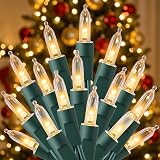
Are you tired of the holiday decorating dilemma? Imagine stringing up your beautiful Christmas lights, only to find half a strand dark. The frustration is palpable, isn’t it? Instead of tossing those faulty decorations and buying new ones, what if there was a simple, effective tool to bring them back to life? The video above introduces a powerful solution: the Lightkeeper Pro, a specialized light tester designed to tackle these common electrical woes.
The Frustration of Faulty String Lights
Every year, countless homeowners face the same annoying problem: a strand of string lights goes dark. This often happens at the most inconvenient times. While one might initially suspect a complete circuit failure, the reality is frequently far simpler. Often, just one tiny bulb or a micro-break within a bulb’s internal shunt can render an entire section of lights inoperable.
The traditional troubleshooting process for these issues can be incredibly time-consuming. You might find yourself removing and individually testing each bulb. Alternatively, you might just give up and buy an entirely new set of lights, contributing to unnecessary waste and expense. This cycle of frustration and replacement is precisely what tools like the Lightkeeper Pro aim to disrupt.
Introducing the Lightkeeper Pro: Your Essential Light Tester
The Lightkeeper Pro isn’t just another gadget; it’s a purpose-built light tester that revolutionizes how you approach holiday light repairs. As our video narrator enthusiastically points out, it quickly becomes a “new favorite toy.” This innovative device streamlines the process of diagnosing and fixing various problems in incandescent light strands. Consequently, it saves you both time and money, making it an indispensable item in any DIY decorator’s toolkit.
The Magic of Shunt Repair: Resurrecting Dead Sections
One of the most common culprits for dark light sections is a faulty shunt. Inside each miniature light bulb is a small wire called a shunt, which is designed to maintain the circuit if the filament burns out. However, these shunts can fail to connect properly, leaving a gap in the circuit and causing a whole section of lights to go dark. The Lightkeeper Pro offers an ingenious solution to this issue.
Imagine if you could fix a dead section of lights with a simple trigger pull. The Lightkeeper Pro’s “Quick Fix” feature does precisely that. By placing a working bulb from the dead section into the tester’s socket and pulling the trigger, the tool sends a pulse of electricity. This pulse helps to re-establish the connection of a faulty shunt. The instructions indicate you can click this up to 30 times, and the narrator notes that about 50% of the time, this will instantly restore power to the entire section. This is a game-changer, especially for lights that are already strung up and difficult to access.
Furthermore, this feature also works directly with the light strand’s male plug. If your lights are installed in an inaccessible location, you can plug the entire strand into the Lightkeeper Pro. Firing the trigger multiple times can still activate faulty shunts, potentially bringing the entire strand back to life without ever touching a single bulb. This contrasting approach to traditional bulb-by-bulb testing offers unparalleled convenience.
Pinpointing the Problem: The Audible Voltage Detector
While shunt repair is often effective, sometimes the problem lies with a specific bulb that isn’t allowing voltage to pass through. For these instances, the Lightkeeper Pro includes an audible voltage detector. This feature allows you to quickly scan the light strand and identify precisely where the electrical flow stops. It operates on a simple principle: if voltage is present, you’ll hear a tone and see a light.
To use this function, you typically start by placing the detector against the first bulb closest to the male plug. You then systematically move down the light strand, checking each successive bulb. The narrator observes that, the majority of the time, the faulty bulb will be the one closest to the male plug. However, in rare occasions, voltage can run in reverse, so it’s always wise to check from both ends if you encounter a puzzling situation. Imagine scanning a long string of lights in minutes, rather than painstakingly checking each one individually, saving precious time during your decorating efforts.
Individual Bulb and Fuse Testing for Precision
Even with the shunt repair and voltage detection features, identifying a truly dead bulb or a blown fuse is sometimes necessary. The Lightkeeper Pro is equipped to handle these specific tests with ease. It features a bulb tester right on top of the unit. You can simply insert a suspected faulty bulb into this slot, and a light will illuminate if the bulb is still functional. This confirms whether the issue is with the bulb itself or elsewhere in the circuit.
For convenience, the tool also includes a small section designed to assist with bulb removal. This is particularly useful if you lack strong fingernails or frequently work with delicate bulbs, preventing sore nails and fumbling. Once a bulb is removed, a visual inspection can often reveal issues, as the narrator demonstrates with a bent wire. Repairing such a minor physical defect can immediately resolve the issue. In addition, at the back of the device, a dedicated fuse tester allows you to quickly check if your light strand’s fuses are intact, preventing further troubleshooting when the problem is so simple. Simply touch the fuse between the two metal contact points, and a light on the tester will confirm if it’s working.
Beyond Basic Troubleshooting: The Lightkeeper Pro’s Thoughtful Features
The Lightkeeper Pro’s utility extends beyond its primary testing functions. It integrates several thoughtful design elements that enhance the user experience and practical application. These small details make a significant difference in ease of use and overall efficiency.
One notable feature, as mentioned, is the integrated bulb remover. This simple clip is incredibly helpful for safely extracting miniature bulbs from their sockets without damaging the bulb or your fingers. Many dedicated decorators will appreciate this, as repeated bulb removal can lead to really sore nails over time. Furthermore, the Lightkeeper Pro includes a small storage compartment on its side. This handy space is perfect for keeping extra bulbs and fuses, ensuring you have replacements readily available whenever and wherever you need them. This contrasts sharply with fumbling around for tiny spare parts in a separate container.
The device itself is powered by three small watch batteries, which are included with the unit. While these batteries won’t last forever, they provide ample power for many troubleshooting sessions. Their compact nature contributes to the overall portability of the tool. Being aware of the battery type ensures you can easily replace them when needed, although they may not be the cheapest to purchase. Despite the cost, the value provided by the tool far outweighs the occasional battery replacement.
Why Every Decorator Needs a Dedicated Light Tester
Investing in a dedicated light tester like the Lightkeeper Pro offers numerous advantages that extend beyond immediate problem-solving. It represents a shift from a disposable mindset to a more sustainable and economically sound approach to holiday decorating.
Firstly, the financial savings are substantial. Rather than replacing entire strands of lights, which can be expensive, you can now quickly identify and fix the specific issue. This extends the lifespan of your existing decorations, reducing the need for constant new purchases. Secondly, the time savings are equally significant. Imagine spending mere minutes troubleshooting a string of lights, rather than hours. This efficiency means more time enjoying your decorations and less time battling them. Finally, using a light tester contributes to environmental sustainability. By repairing instead of replacing, you reduce waste and minimize your ecological footprint, aligning with a more conscious consumer approach.
Maximizing Your Light Tester’s Potential
To get the most out of your Lightkeeper Pro, a systematic approach is recommended. Always begin with a quick visual inspection of the entire light strand. Look for obvious signs of damage, such as missing bulbs, broken wires, or cracked sockets. If these are present, address them first. Missing bulbs are an easy fix, often immediately restoring the circuit. On the other hand, if a visual inspection doesn’t reveal the problem, then proceed with the Lightkeeper Pro’s features.
Start with the shunt repair feature, especially for full sections that are out. If that doesn’t work, move on to the audible voltage detector to isolate the exact location of the break. Finally, use the individual bulb and fuse testers for pinpoint accuracy. After each holiday season, it’s also a good practice to test your lights before storing them. This proactive approach ensures they are ready for the next year, reducing frustration when it’s time to decorate again. Proper storage of your Lightkeeper Pro, perhaps with its included extra bulbs, ensures it’s always ready for action.
Shedding Light on Your Light Tester Questions
What is the Lightkeeper Pro?
The Lightkeeper Pro is a specialized light tester designed to troubleshoot and fix problems in incandescent string lights, particularly holiday decorations.
How does the Lightkeeper Pro fix sections of lights that are dark?
It uses a ‘Quick Fix’ feature that sends a pulse of electricity to re-establish the connection of a faulty shunt inside a bulb, often restoring power to an entire dark section.
How can I find a specific faulty bulb with the Lightkeeper Pro?
The tool includes an audible voltage detector that makes a tone and lights up when voltage is present, allowing you to scan the light strand and pinpoint where the electrical flow stops.
Can the Lightkeeper Pro test individual bulbs and fuses?
Yes, it has dedicated slots on the unit to test individual bulbs and fuses, confirming if they are working or need to be replaced.