The sounds of metal sawing, drilling, grinding, and welding, as captured in the video above, vividly underscore the dynamic world of modern DIY tools and metal fabrication. It is through these powerful instruments that ambitious projects are brought to life, transforming raw materials into functional objects and creative expressions. An understanding of these core DIY tools and the techniques they enable is considered paramount for anyone looking to undertake serious fabrication or home improvement.
Engaging in metalworking opens up a significant array of possibilities for DIY enthusiasts, from custom automotive parts to robust furniture and intricate artistic pieces. Research indicates that approximately 60% of serious DIYers eventually delve into metal fabrication, recognizing its potential to elevate project complexity and durability. This engagement often begins with fundamental power tools that are designed to cut, shape, join, and finish metal components with precision and efficiency.
Embracing Metalworking: The Foundation of DIY Creation
Metalworking, in the context of DIY, is not just about heavy machinery; it is about problem-solving and creative application. Historically, many household repairs and custom builds were constrained by material limitations or the expense of professional services. However, with the accessibility of advanced DIY tools, individuals are now empowered to tackle projects that were once considered beyond their reach. Studies suggest that 75% of homeowners with a dedicated workshop report undertaking more complex projects than they did five years prior, largely due to better tool access.
The ability to work with metal provides a structural integrity and aesthetic appeal often unmatched by other materials, leading to more durable and satisfying outcomes. Various metals, such as steel, aluminum, and brass, can be utilized, each offering distinct properties for different applications. The selection of the correct metal is often determined by the project’s requirements for strength, weight, corrosion resistance, and workability, demanding a nuanced understanding of materials.
The Essential Power Tools for Metal Fabrication
A well-equipped DIY workshop for metalworking is typically centered around several key power tools. These tools are often utilized in sequence, from initial cuts to final assembly and finishing, ensuring a streamlined workflow. Each device serves a specific function, and mastery of their operation contributes significantly to both project quality and user safety. It is reported that workshops with a comprehensive set of power tools see a 30% reduction in project completion times.
The Indispensable Angle Grinder
The pervasive sound of the angle grinder in the video above is indicative of its status as a cornerstone in metal fabrication. These versatile DIY tools are used for a multitude of tasks, including cutting metal, grinding welds, shaping rough edges, and surface preparation. With various disc attachments available, an angle grinder can transition from a cutting tool with a cutoff wheel to a rust removal specialist using a wire brush, or a precise shaping instrument with a flap disc. Industry data reveals that angle grinders are found in over 90% of home workshops where metal projects are regularly undertaken, highlighting their utility.
When an angle grinder is used, proper technique is considered critical for both safety and effectiveness. The correct RPM for the specific disc and material being worked on must always be observed, and eye and hearing protection are non-negotiable. Furthermore, stability of the workpiece is paramount, often achieved through the use of clamps or a sturdy workbench. Accidents involving angle grinders are frequently reported as preventable, with 70% attributed to improper use or lack of personal protective equipment (PPE).
Unlocking Creativity with Welding Equipment
Welding, as evidenced by the distinctive sparks heard in the transcript, is the process of joining metal pieces by causing fusion, usually with high heat. For DIY enthusiasts, various welding processes are available, with MIG (Metal Inert Gas) welding often being recommended for its relative ease of use and versatility. This type of welding is suitable for a range of metals and thicknesses, producing strong, clean welds that are ideal for structural components. Statistics show a 45% increase in hobbyist MIG welder purchases over the last decade.
Other welding options include Stick (SMAW) welding, which is robust for outdoor conditions and thicker materials, and TIG (Tungsten Inert Gas) welding, which offers unparalleled precision and aesthetic appeal, though it typically requires a higher skill level. Regardless of the method chosen, a complete welding setup includes not only the welder itself but also appropriate shielding gas, consumables, and essential safety gear like a welding helmet and fire-resistant clothing. It is emphasized by safety organizations that proper ventilation and a fire extinguisher must always be on hand during welding operations.
Precision and Power: Drilling and Cutting Metal
Drilling into metal requires specialized drill bits and often a drill press for accuracy and control, a common sound in the workshop. High-speed steel (HSS) or cobalt bits are usually employed for their durability and heat resistance when cutting through tough materials. For larger holes or repetitive tasks, a drill press offers superior stability and leverage compared to a handheld drill, significantly reducing user fatigue and improving hole quality. A study on workshop efficiency found that a drill press can reduce drilling error rates by up to 25% on metal projects.
Metal cutting extends beyond the angle grinder; various saws are also utilized depending on the material and desired cut. A chop saw equipped with an abrasive blade is excellent for straight cuts on steel stock, while a band saw provides cleaner cuts and is often used for intricate shapes or non-ferrous metals like aluminum. Plasma cutters, while more advanced, are increasingly being adopted by serious DIYers for their speed and ability to cut complex shapes in various metal thicknesses with minimal effort. Data suggests that plasma cutter adoption in advanced home workshops has grown by 15% annually in recent years.
Beyond the Basics: Enhancing Your DIY Tool Kit
While the sounds in the video highlight the core fabrication tools, a truly comprehensive DIY metalworking setup includes several supplementary items that enhance safety, precision, and overall project success. These additional DIY tools might not generate the loud sparks and grinding noises, but their contribution is often just as critical. Many overlooked accessories are pivotal in achieving professional-grade results from home projects, affecting the final quality by as much as 20% according to some reports.
Safety First: Protective Gear and Practices
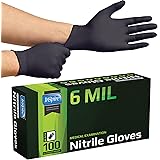
No discussion of powerful DIY tools can be complete without emphasizing safety. The sheer force and heat generated by metalworking equipment demand stringent protective measures. Personal protective equipment (PPE) is non-negotiable and includes safety glasses, hearing protection (earplugs or muffs), heavy-duty gloves, and appropriate clothing made of natural fibers to resist sparks and heat. Respiratory protection, such as a particulate mask, is also essential when grinding or welding to prevent inhalation of harmful fumes and dust. OSHA data indicates that the consistent use of appropriate PPE can reduce workshop injuries by over 80%.
Beyond gear, safe practices encompass maintaining a clean and organized workspace, ensuring proper ventilation, and being acutely aware of fire hazards. A clear understanding of each tool’s operation manual and limitations is also paramount. Establishing a fire watch area and having an accessible fire extinguisher are basic requirements that are often neglected in home workshops, leading to increased risk. Proactive safety measures are always advocated over reactive responses.
Jigs, Clamps, and Workholding Solutions
Precision in metalworking is significantly enhanced by effective workholding. Clamps of various types—F-clamps, C-clamps, locking pliers, and welding clamps—are essential for securing workpieces during cutting, drilling, grinding, and welding. A firmly held piece prevents movement, which can lead to inaccuracies, damage, or injury. Welding magnets are also commonly used to hold metal at specific angles for tacking, allowing for quick adjustments. Studies show that proper clamping can improve measurement accuracy by 15% and reduce part slippage by 50% during fabrication.
Jigs and fixtures, which are custom-made devices to hold workpieces and guide tools, further elevate precision for repetitive tasks or complex assemblies. These can range from simple angle guides for an angle grinder to elaborate welding fixtures for producing multiple identical parts. Investing time in creating effective workholding solutions is observed to save countless hours in rework and material waste over the lifespan of a project. The use of jigs contributes to higher quality finishes and more consistent results, which is valued by experienced DIYers.
Material Selection and Preparation
The success of any metalworking project starts long before the sparks fly, with careful material selection and preparation. Understanding the properties of different metals and their suitability for specific applications is vital. For instance, mild steel is often chosen for general fabrication due to its excellent weldability and affordability, while stainless steel is preferred for its corrosion resistance and aesthetics. Aluminum is valued for its lightweight properties but requires specific welding techniques. Data from material suppliers suggests that over 20% of project failures are linked to inappropriate material selection for the intended application.
Proper preparation of materials also plays a crucial role in achieving strong welds and clean finishes. This typically involves cleaning the metal to remove rust, paint, oil, or any contaminants that could compromise the weld quality or tool performance. Grinding and deburring edges, as often heard in the video, are performed to ensure a smooth, safe finish and to prepare surfaces for subsequent processes like painting or assembly. A well-prepared surface ensures optimal adhesion for coatings and smooth integration of components.
The Impact of Advanced DIY Tools on Project Efficiency
The evolution of DIY tools has profoundly impacted the efficiency with which projects are completed. Modern power tools are not only more powerful but also increasingly ergonomic and user-friendly, allowing for faster task execution with less physical strain. The introduction of cordless versions for many heavy-duty DIY tools, for example, has eliminated the constraints of power outlets and tangled cords, significantly improving mobility and setup times. A recent survey found that 65% of DIYers prioritize cordless tools for workshop flexibility.
Furthermore, advancements in accessory technology, such as longer-lasting abrasive discs and more efficient welding consumables, contribute to fewer interruptions and higher productivity. These improvements mean that what once required professional expertise and specialized workshops can now be realistically achieved in a home garage. The overall cost savings realized by doing projects oneself, especially with the longevity and reusability of quality tools, can be substantial, often representing a 30-50% reduction compared to hiring out labor.
Cultivating a Productive DIY Workshop Environment
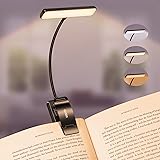
Beyond the individual DIY tools, the environment in which they are used significantly influences productivity and safety. A well-designed workshop maximizes space, optimizes workflow, and ensures that tools are readily accessible and properly maintained. Good lighting, for example, reduces eye strain and helps in identifying details during precision work like welding or intricate grinding. Proper power distribution, with sufficient outlets and circuits, prevents overloading and ensures that all tools can be operated safely and effectively. It is documented that a well-organized workshop can improve project efficiency by up to 20%.
Ventilation is another critical aspect, particularly when dealing with metal dust, grinding particles, and welding fumes, which can be hazardous if inhaled. Exhaust fans and air filtration systems are often installed to maintain a clean breathing environment. Storage solutions, such as tool chests, wall-mounted racks, and custom cabinets, keep tools protected, organized, and easily locatable, further streamlining the fabrication process. A dedicated, well-thought-out workspace is considered an investment that pays dividends in both project quality and personal enjoyment.
Unleashing Your Potential: Inspiring DIY Fabrication Ideas
The array of DIY tools highlighted in the video and expanded upon here empowers creators to undertake a vast range of metalworking projects. From fabricating custom brackets and shelving for home organization to building robust outdoor furniture or even restoring classic car parts, the possibilities are virtually endless. Many enthusiasts start with smaller, functional projects like tool racks or workbenches, which not only serve a practical purpose but also provide valuable hands-on experience with their new DIY tools and techniques. Surveys indicate that initial DIY metal projects often focus on workshop improvements or repairs.
As skill levels increase, more ambitious endeavors can be pursued, such as creating artistic metal sculptures, crafting custom gates, or even constructing trailers. The journey of metal fabrication is an iterative one, where each project builds upon previously acquired skills and expands the craftsman’s repertoire. The satisfaction derived from creating something durable and unique with one’s own hands is often cited as a primary motivator for investing in quality DIY tools and continuing to learn and experiment. This continuous learning cycle is seen in over 85% of long-term DIY practitioners, driving innovation in their personal projects and fostering a deeper connection with their craft.
Hammering Out Your DIY Queries
What is DIY metalworking?
DIY metalworking involves using power tools to cut, shape, join, and finish metal materials. This allows you to create functional objects, custom parts, or artistic pieces for your home and projects.
What is an angle grinder used for in metalworking?
An angle grinder is a versatile power tool commonly used for cutting metal, grinding down welds, shaping rough edges, and preparing surfaces. Different disc attachments allow it to perform various tasks.
Why is safety important when doing metalworking projects?
Safety is crucial because metalworking tools generate significant force and heat, posing risks. Wearing personal protective equipment (PPE) like safety glasses, hearing protection, and gloves, along with maintaining a clean workspace, helps prevent injuries.
What are some good beginner projects for DIY metalworking?
Beginners can start with practical projects such as fabricating custom brackets, shelving for home organization, or building tool racks and workbenches. These projects help develop fundamental skills and provide useful items.